
The Question Everyone Asks (But No One Answers Clearly)
Let’s be real. If you’re looking for an anonymous casino, it’s usually because you don't want to deal with the mountain of red tape that "licensed" sites throw at you. You don't want to wait three days for an email verification, and you definitely don't want to send a scan of your passport to a group of people you've never met.
But is it legal to skip the paperwork?
The short answer: It’s complicated. The long answer: It depends on where you’re sitting when you hit the "spin" button. At Anonymous Casino, we’ve been around since 2014. We’ve seen laws change, regulators come and go, and entire countries flip-flop on their crypto rules. Here is the straight talk on the legal landscape in 2026.
1. The United States: The Land of the "Gray"
The US is a patchwork of rules. Some states, like New Jersey and Pennsylvania, have fully regulated online betting. But their version of "online betting" involves handing over your Social Security Number, your home address, and maybe even your tax returns if you win big.
For many Americans, offshore crypto casinos are a popular alternative. While the US government (specifically the DOJ) generally focuses on the operators rather than individual players, you should know that you’re playing in a "gray market." Most players use VPNs to maintain their privacy and ensure a stable connection. Because we are a No-KYC platform, we don't block you based on where your passport was issued—we believe what you do with your Bitcoin is your business.
2. Canada: North of the Border Freedom
Canada is much more relaxed than its neighbor to the south. While Ontario recently launched its own regulated market (which is quite strict), the rest of the country is largely open to "offshore" sites.
In 2026, many Canadians prefer anonymous casinos because they value their financial privacy. They don't want gambling transactions showing up on their bank statements when they apply for a mortgage or a car loan. Using Bitcoin or USDT (TRC-20) is a perfectly legal way to maintain that separation between your fun and your finances.
3. Western Europe: The Battle for Privacy (NL & France)
Europe is currently the most active battlefield for gambling regulation. The Netherlands (KSA) and France have some of the strictest licensing regimes in the world. If you play on a site licensed in those countries, expect to hand over every piece of data you own.
However, the "right to privacy" is also a core European value. Many players in the Netherlands and France choose anonymous casinos specifically to avoid the intrusive data collection required by local regulators. As long as you’re playing with crypto you own, and you aren't breaking any local tax laws on your winnings, the "police" aren't going to break down your door for playing a hand of blackjack in your living room.
4. Latin America: The Growing Giant (Brazil)
Brazil is the rising star of 2026. They’ve recently moved to regulate online betting, but the process is slow and often confusing. Crypto has exploded in popularity across Latin America as a hedge against inflation.
For Brazilians, anonymous casinos are a way to use their stablecoins (like USDT) without needing to convert back into Real every time they want to play. It’s about efficiency and keeping the government's hands out of your digital wallet.
5. Asia & Oceania: Japan, Korea, and Australia
- Japan & Korea: Both countries have a huge gambling culture but very strict local laws. Despite the rules, millions of players use offshore crypto sites daily. Because crypto is decentralized, it’s very difficult for local authorities to track or block these transactions.
- Australia: The "Aussies" love a bet (or a "punt"). While Australia has strict rules for local operators, they don't have the resources to police what individuals do on international crypto sites. Anonymous casinos remain a top choice for those who want to avoid the "big brother" feel of local Australian sites.
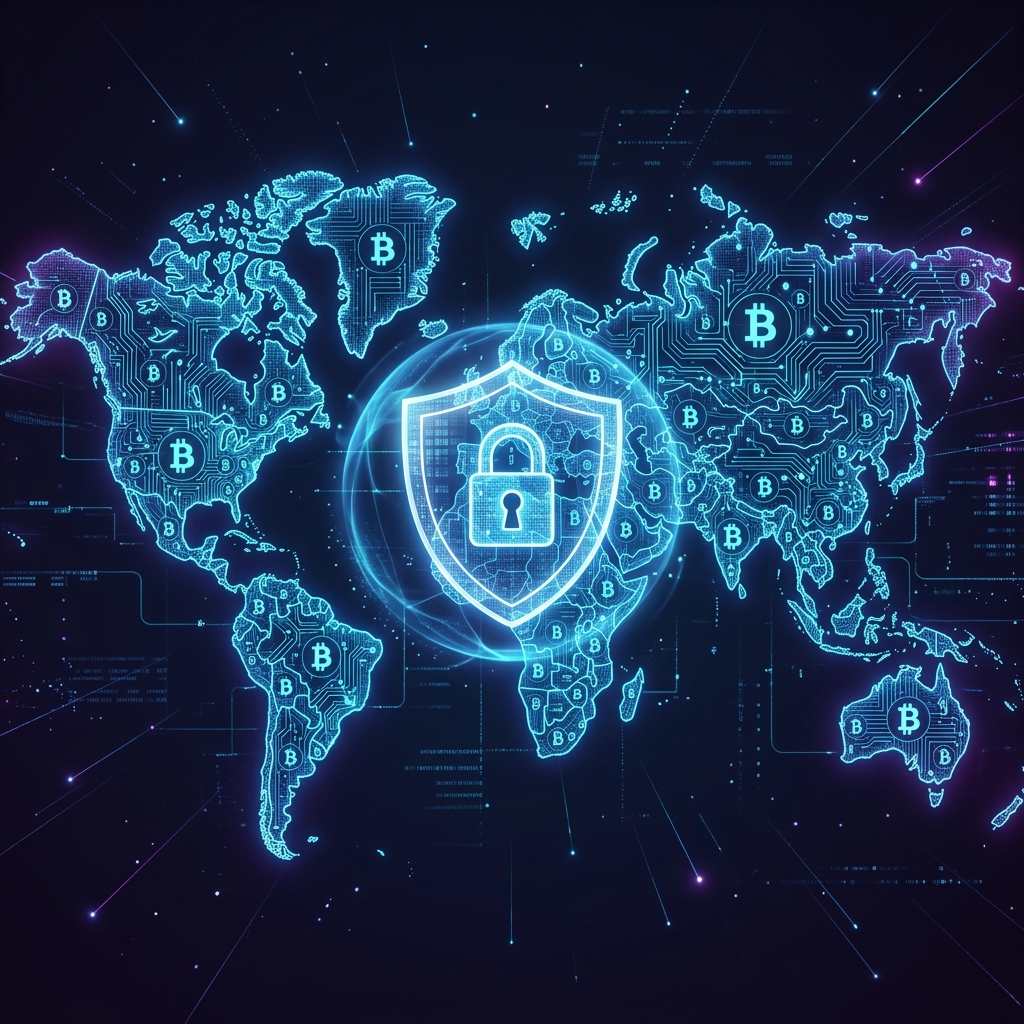
6. The "Privacy Shield" vs. The KYC Trap
The reason we don't ask for your ID isn't just because we like crypto—it’s because we care about your security. In 2025 and 2026, we saw several massive data breaches at "regulated" casinos. Thousands of passport scans and bank statements were leaked onto the dark web.
By staying anonymous, you eliminate that risk entirely. If a casino doesn't have your data, they can't lose it. We call this the Privacy Shield. You are taking responsibility for your own security, which is the whole point of the blockchain revolution. You use a hardware wallet, you keep your seeds safe, and we provide the games. No middlemen, no centralized databases of victims.
7. The Future: Regulation in 2027 and Beyond
As we look toward 2027, more countries will likely try to tax and regulate crypto gambling. However, the nature of the blockchain makes this very difficult to enforce. We expect the "gray market" to continue thriving because players will always value privacy over government-mandated "protection."
Our advice? Always stay informed. Use coins like USDT (TRC-20) for fast, low-fee transactions, and keep your gambling activities private. Your winnings are your own business, and as long as you're acting responsibly, you should be able to play where you want.
Key Takeaways
- Global Gray Market: In most countries, laws target the house, not the player.
- Privacy is Security: No KYC means no data for hackers to steal in a breach.
- VPNs are Standard: Most savvy players use them to ensure a smooth, private session.
- Crypto is Your Rights: Using decentralized coins makes it impossible for banks to block your fun.
- User Responsibility: Always check your local tax laws if you hit a massive jackpot.
FAQ
Q: Will I get in trouble for playing without KYC?
A: Governments almost never go after individual players. Their focus is on the companies processing the millions of dollars. By using crypto, you’re cutting out the banks who are usually the ones "reporting" these activities.
Q: Is my money safe if the casino isn't "local"?
A: Safety comes from a track record. We’ve been paying out for over 10 years. A "local" license doesn't guarantee a casino won't go bust; a decade of honest operation does.
Q: Can I withdraw large amounts anonymously?
A: Yes. That’s the core promise of Anonymous Casino. Whether you win 100 USDT or 100,000 USDT, we don't suddenly decide we need to see your ID before we let you have your money.
Q: Which countries are blocked?
A: We don't block players based on nationality. As long as you have a crypto wallet and can access the site, you can play.
Q: Do I have to pay taxes on my winnings?
A: That depends on your country. Some countries (like the UK) don't tax gambling winnings at all, while others expect a cut. Since we don't track you, it’s up to you to handle your own local tax obligations.
Looking for a place that respects your right to play privately? Anonymous Casino has been the trusted choice for global players since 2014. No ID, no limits, just action.
Published on the Anonymous Casino Blog — your guide to private gambling.
Disclaimer: We are seasoned gamblers, not lawyers. This post is for informational purposes only. Always check your local regulations and stay responsible.